
11) Match Column I with Column II and choose the correct option:
| Column I (Minerals) |
Column II (Major Mines) |
|---|---|
| A.Iron ore | i. Gaya |
| B.Mica | ii. Singarauli |
| C.Bauxite | iii. Chandrapur |
| D.Coal | iv. Maikala |
12) Belgium solved its problem of majoritarianism by strengthening which of the following types of government?
13) Choose the correctly matched pair from the following:
(Country – System)
14) Which of the following are the main components of a political party?
Choose the correct option:
I. Leaders
II. Active members
III. Followers
IV. Pressure groups
Options:
15) Study the following table related to ‘World Human Development Index’ and answer the questions given below:
| S. No. | Country | HDI Rank in the world |
|---|---|---|
| 1. | India | 130 |
| 2. | Myanmar | 148 |
| 3. | Nepal | 149 |
| 4. | Pakistan | 150 |
Amongst the given countries, which one of the following countries has the highest rank in ‘Human Development Index’?
16) ‘X’ lives in a town. He cultivates flowers along with animal husbandry. The work of ‘X’ will fall under which sector of the economy?
17) Look at the given picture and answer the question that follows:
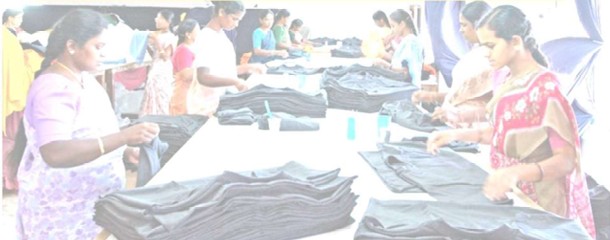
The work being done in the picture falls under which sector of the economy?
18) Why does it become difficult for farmers in rural areas to take loans from government banks?
Read the following reasons and choose the most appropriate option:
I. Lack of collateral
II. Complicated procedure
III. Higher cost of borrowing
IV. Lack of awareness
19) Which of the following groups in urban India depend on informal sources to meet their credit needs?
20) Two statements I and II are given below.
Read both the statements carefully and choose the correct option:
Statement I: Rapid improvement in technology has been one major factor to stimulate the globalisation process.
Statement II: This has made much faster delivery of goods across long distances possible at lower costs.
21) Note: The following question is for the Visually Impaired Candidates only, in lieu of Q. No. 17.
The work of which of the following comes in the secondary sector of the economy?